The Difference Between Buying Equipment and Investing in a Legacy


In the journey of building a gym, every owner arrives at a crossroads. It’s a decision that defines the future of their facility, their community, and their reputation.
It’s the choice between simply buying equipment and truly investing in a legacy.
On the surface, the two actions look similar. Both involve selecting machines, signing invoices, and arranging delivery. But the intent behind them—the vision—is worlds apart.
Buying equipment is a transaction. It’s about filling a space. The primary questions are often, "What fits the budget?" and "What can be delivered the quickest?" It’s a short-term solution to an immediate need, treating the foundational tools of your business as disposable commodities. A transaction is driven by cost.
Investing in a legacy is a declaration. It’s about building a landmark. The questions are deeper, more resonant: "What does this piece of equipment say about our standards?" "Will this machine inspire our members and stand the test of time?" "Is this an asset that will build our reputation for years to come?" An investment is driven by value.
When you simply buy equipment, you get steel, pulleys, and upholstery. When you invest in a legacy, you acquire the tangible pillars of your brand's story.
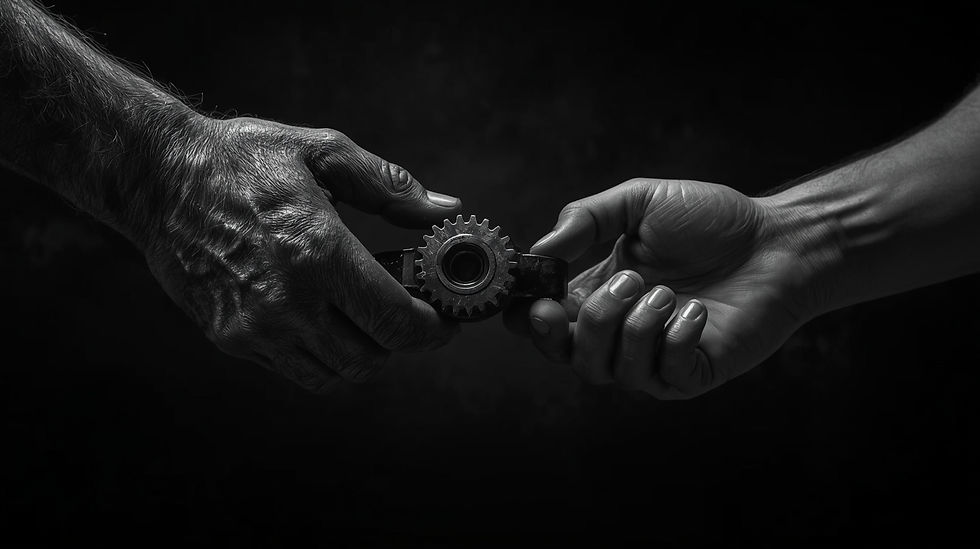
An investment is in the unwavering stability of a 3mm steel frame that gives a nervous new member the confidence to push their limits. It’s in the superior biomechanics that make a seasoned athlete choose your gym over any other. It’s in the precision welds and durable finishes that communicate excellence to everyone who walks through your doors, even if they don’t know the technical terms. It’s the silent promise of quality that is kept, day after day, year after year.
This choice has a ripple effect. A transactional approach often leads to a cycle of repairs, replacements, and member complaints about unreliable machines. It slowly erodes the very culture you're trying to build.
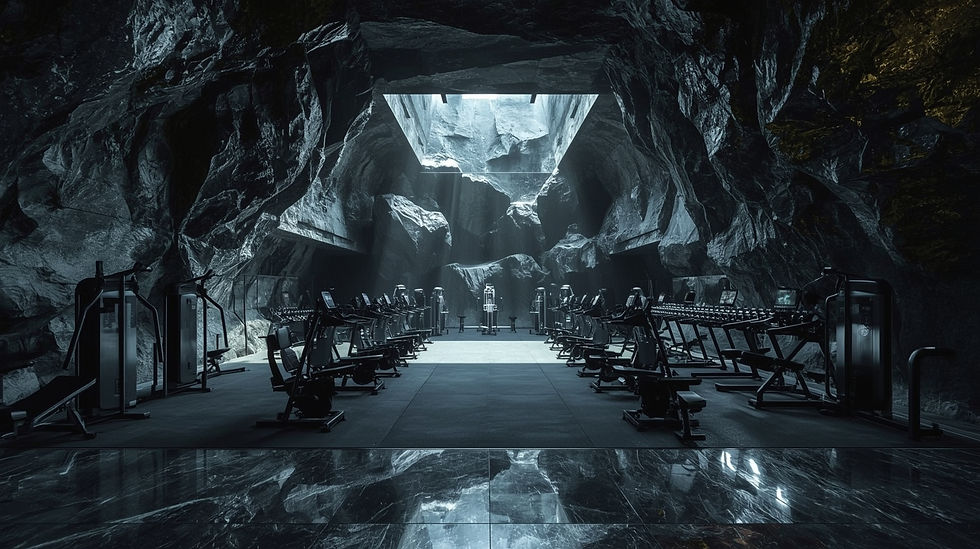
An investment, however, compounds. It builds trust. It becomes a cornerstone of member retention and a powerful tool for acquisition. The equipment ceases to be an expense and transforms into a marketing asset—a statement of quality that attracts the kind of dedicated, serious members who form the heart of a thriving community.
Every gym owner must decide what they are truly building. Are you just filling a room, or are you forging a landmark? The answer will determine not just what you buy, but what your brand will become.


Comments